
What Is a Dental Implant and Why It Matters
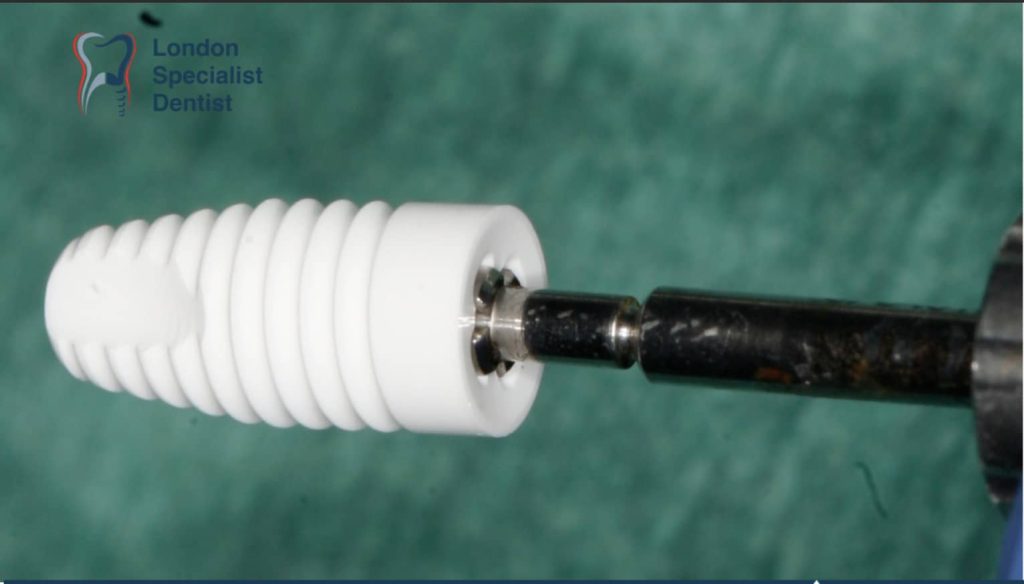
A dental implant is a small, highly engineered “root” that is placed into the jawbone to replace the root of a missing tooth. Most modern implants are made from titanium or zirconia (ceramic). Once the implant is placed, the bone gradually bonds to it during a healing phase called osseointegration, which typically takes around 2 to 6 months depending on bone quality, overall health, and whether grafting is required.
After integration is confirmed, your dentist takes a precise impression or digital scan so a custom crown, bridge, or denture can be made to fit on top of the implant via a connector called an abutment. The key advantage over a traditional bridge is that an implant helps transmit chewing forces into the bone. This supports natural bone metabolism and can reduce the “bone shrinkage” (bone atrophy) that often follows tooth loss. For many patients, a well-planned implant can feel and function very close to a natural tooth.
Who Is a Good Candidate?
Most healthy adults can be suitable for dental implants if there is enough bone of good quality and quantity at the implant site. Healing capacity matters, so your dentist will look carefully at medical history, medications, and lifestyle factors.
Factors that can reduce predictability include uncontrolled diabetes, active gum disease (periodontitis), smoking, poor nutrition, and untreated inflammation in the mouth. A three-dimensional CBCT scan is often used to assess bone volume, bone anatomy, and safe implant positioning, particularly near nerves and sinuses, so the plan is biologically safe and mechanically stable.
The Procedure: Step by Step
Most implant journeys take around 3 to 6 months from planning to final tooth, and complex cases can take longer — sometimes 9 to 10 months — if additional surgery is needed.
A typical pathway looks like this:
- First, assessment and planning: clinical examination, gum health review, bite analysis, and CBCT imaging where indicated.
- Second, site preparation if needed: if bone has reduced after tooth loss, infection, trauma, or a failing root canal, bone grafting or sinus augmentation may be recommended. These procedures may be done at the same time as implant placement or as a separate stage. Bone grafts often need several months to consolidate before an implant can be placed.
- Third, implant placement: the implant is placed into the jawbone under local anaesthetic, often with gentle sedation options depending on the clinic.
- Fourth, healing and integration: osseointegration usually takes a few months, with follow-ups to confirm stable healing.
- Fifth, the restorative phase: once integration is confirmed, an impression or digital scan is taken. The abutment and final crown or bridge are made, then fitted and carefully adjusted to your bite.
Loading protocols vary. In selected cases with strong primary stability and favourable bite forces, an implant can sometimes be restored earlier (immediate or early loading). In other cases, delayed or late loading is safer for long-term success.
How Much Do Dental Implants Cost in London?
Fees vary between clinics because implant treatment is not one item — it is a sequence of planning, surgery, components, laboratory work, and aftercare. In London, many clinics quote a single tooth implant with crown somewhere in the mid to high thousands, with ranges commonly reported from roughly £2,200 to £4,500 depending on complexity, materials, and the level of specialist involvement.
The biggest cost drivers are:
- Implant system and components: premium systems and original manufacturer parts tend to cost more.
- Bone grafting or sinus work: these add surgical time, biomaterials, and healing phases.
- Type of final tooth: a single crown differs from a multi-unit bridge, and full arch solutions like All-on-4 or All-on-6 have higher costs because they involve multiple implants, a fixed bridge, and intensive planning. UK price guides commonly place full arch implant solutions in the tens of thousands per arch depending on complexity and materials.
- Clinician expertise and planning standards: advanced training, careful diagnostics, and prosthetically driven positioning reduce avoidable complications. Poorly positioned implants can lead to gum inflammation, bite overload, aesthetic compromise, and costly revisions — so “cheaper” can become expensive over time.
Holistic and Biological Considerations
In a holistic and biological approach, implant dentistry is not only about replacing a tooth. It is about supporting healthy healing, stable gum architecture, a balanced bite, and long-term inflammation control.
Material choice is part of this. Titanium implants have decades of evidence and are widely used. Zirconia implants are a metal-free option that can be attractive for patients who prefer metal-free dentistry or who are concerned about biocompatibility. Reviews and studies report broadly comparable clinical outcomes in many situations, with ongoing research into differences in plaque adhesion and soft tissue response.
A biological plan also considers the wider health picture that influences healing capacity, including immune resilience, nutrition, oral microbiome balance, and the stability of gum health. Your dentist should personalise the plan rather than offering a one-size-fits-all approach.
Recovery: What to Expect
Recovery varies with complexity. A straightforward implant placement often has the most noticeable swelling and discomfort in the first 48 to 72 hours, then steadily improves. More involved procedures, such as extractions with grafting or sinus augmentation, can feel more tender and may require a longer period of careful aftercare.
Common aftercare guidance includes:
- Soft foods for a short period, then a gradual return to normal chewing as advised
- Meticulous but gentle oral hygiene around the surgical site
- Avoid smoking and alcohol during early healing, because both can compromise tissue repair
- Attend planned review appointments so healing can be monitored and any early inflammation can be managed promptly
-
Long term, once the implant is integrated and the final tooth is fitted, most patients are not aware of the implant in day-to-day life. Ongoing maintenance matters, including professional implant reviews and careful home cleaning, because implants need healthy gums just like natural teeth.
Choosing the Right Implant Specialist in London
London has many clinicians offering implant treatment. The safest choice is a clinician or team with multidisciplinary understanding — not only surgical placement. Implant success depends on biology, engineering, aesthetics, and bite.
Look for a clinician who:
- Uses thorough diagnostics and CBCT-based planning where appropriate
- Explains options clearly, including grafting and loading timelines
- Plans implant positioning from the final tooth backwards, so the crown or bridge is stable and cleansable
- Has the experience to manage complications and protect long-term gum health
- Works with a high-quality laboratory and uses reliable components
Dr. Nico Kamosi

Dr. Nico Kamosi
Specialist Periodontist, Implantologist, Prosthodontist, Holistic and Biological Dentist
TDL. DDS. (Swe.), MSc.Perio.(Eng.),
MClinDent.Perio.(Eng.), MSc.Imp.Dent.(Eng.),
Dip.Aesth.Med. (Eng.), MClinDent.Prosth.(Eng.),
Cert., Dip.DHSLM.(RCS.Eng.), Cert.Orth.(Eng.), Cert.Law (Eng.), AIAOMT
Accredited member of IAOMT, SMART Certified
Member of AACD, EFP, AAP, ESCI, IAOMT
