
Last Updated on March 31, 2026 by Dr. Nico Kamosi
CLINICAL INSIGHT | SYSTEMIC-ORAL MEDICINE
Levothyroxine is the synthetic pharmaceutical form of tetraiodothyronine (thyroxine), widely prescribed throughout the United Kingdom for patients with hypothyroidism—a condition characterised by insufficient thyroid hormone production. Millions of individuals depend upon this medication to maintain adequate thyroxine levels. Levothyroxine is generally well-tolerated and highly effective in restoring hormonal balance. However, its systemic effects carry significant implications for oral surgical procedures, wound healing, inflammatory responses, and patient safety. As a specialist in periodontology, implantology, and holistic dentistry, I regard thorough systematic assessment of patients taking levothyroxine or diagnosed with hypothyroidism as an indispensable component of pre-surgical evaluation.
COMPROMISED IMMUNE RESPONSE
Clinical research and practical clinical experience demonstrate that patients with impaired post-operative healing and heightened susceptibility to infection face elevated risk of complications following implant placement, periodontal treatment, and surgical intervention. These individuals typically experience delayed resolution of post-operative swelling and discomfort.
It is well established that the normal post-surgical inflammatory response is essential for appropriate healing, and this process must not be compromised or delayed. In patients with thyroid dysfunction and reduced thyroid hormone production—a crucial modulatory factor in immune regulation—even when treated with levothyroxine, the quality and quantity of neutrophil and macrophage populations, along with natural circulating immunoregulatory cells, remain compromised. This results in an overall impaired immunomodulatory response.
At London Specialist Dentists, we assess our patients’ immunological status and response through an integrative approach when levothyroxine is being administered. Nutritional optimisation is paramount, particularly supplementation with selenium and zinc, both essential for optimal thyroid and immune function. We employ adjunctive ozone therapy to reduce microbial load, and implement platelet-rich fibrin (PRF) protocols to accelerate wound healing and tissue regeneration.
IMPAIRED WOUND HEALING
The thyroid gland employs several critical biological mechanisms in tissue repair and healing, particularly following oral surgical procedures such as complex extractions, implant placement, bone grafting, and related surgical interventions. Thyroid hormones regulate fibroblast activity, collagen synthesis, and cellular proliferation—processes fundamental to natural tissue healing and repair.
In patients diagnosed with thyroid dysfunction and hypothyroidism, these biological processes are naturally slowed. Consequently, surgical outcomes may be compromised, and procedures such as dental extraction may result in delayed socket healing, impaired soft tissue regeneration, reduced periodontal healing, and compromised osseointegration. Before undertaking any surgical procedure—particularly those involving tissue and bone regeneration—the clinician must carefully assess thyroid function and the mechanisms governing thyroxine production. These factors are determinative of long-term tissue healing, implant integration, and overall surgical success.
Recent evidence in the dental and medical literature demonstrates a direct association between thyroid dysfunction and compromised bone quality. Patients with hypothyroidism consistently show reduced bone density and slower bone remodelling (bone turnover), both critically important for successful implant integration and healing following oral surgery, bone grafting, and augmentation procedures.
THE THYROID–ORAL SURGERY INTERFACE
Thyroid hormone production, principally triiodothyronine (T3) and tetraiodothyronine/thyroxine (T4), regulates several vital physiological processes: cardiovascular function, immunological response, bone turnover, and tissue repair. When thyroid function is disrupted and hormone production becomes deficient—even at modest levels of thyroxine reduction—the body’s capacity to respond appropriately to surgical trauma becomes significantly compromised, and healing is necessarily impaired.
Importantly, although patients taking levothyroxine may be managing their hypothyroidism, those with elevated thyroid-stimulating hormone (TSH) levels despite treatment continue to suffer from physiologically significant hypothyroidism. These patients require careful monitoring before surgical intervention to prevent complications such as bone necrosis, tissue hypoxia, and inadequate tissue perfusion.
DRUG INTERACTIONS AND ANAESTHETIC CONSIDERATIONS
Levothyroxine may interact with several other medications commonly used in dental practice. Careful attention must be exercised in the following scenarios:
First, patients who are under-treated or whose thyroid function remains unstable, or those with coexisting, under-treated hypothyroidism, may be unusually sensitive to adrenergic stimulation from adrenaline-containing local anaesthetics. This heightened sensitivity may precipitate hypertensive episodes and tachycardia. It is therefore essential to use the lowest possible concentration of adrenaline, combined with meticulous aspiration technique to prevent inadvertent intra-arterial delivery of the anaesthetic agent.
Second, analgesics such as non-steroidal anti-inflammatory drugs (NSAIDs) may interfere with thyroid hormone metabolism and should be avoided when possible in patients taking levothyroxine.
Third, patients taking calcium supplements, antacids, or certain other supplements must be reminded that levothyroxine absorption may be significantly compromised or impaired by concurrent calcium, iron, and antacid consumption. Post-surgical supplementation should therefore be timed carefully to avoid interactions.
CARDIOVASCULAR PRECAUTIONS
Patients with long-standing hypothyroidism, even when well-treated and well-controlled, may still experience reduced cardiac output, diastolic dysfunction, and bradycardia. These patients typically demonstrate reduced tolerance and physiological flexibility in response to the stress imposed during surgical procedures, including implant placement, periodontal surgery, and complex extraction.
It is essential to maintain continuous monitoring of blood pressure and heart rate throughout such procedures. Conservative, gentle surgical technique and shortened operative time should be implemented as mitigating strategies. In patients with additional comorbidities or those presenting complex clinical cases, pre-operative liaison with the patient’s general medical practitioner and endocrinologist is vital to ensure optimised medical management and safe surgical planning.
OUR HOLISTIC APPROACH AT LONDON SPECIALIST DENTISTS
A holistic and biological approach to any surgical procedure is grounded in the understanding that the body and mouth cannot be treated in isolation, but must be recognised as an integrated whole. We consider comprehensive pre-surgical assessment of patients taking levothyroxine or diagnosed with hypothyroidism to be essential. Our assessment protocol includes:
- Detailed thyroid hormone evaluation: Review of TSH, T3, and T4 levels
- Systemic inflammatory assessment: Evaluation of inflammatory markers, nutritional status, and immunological competence
- Natural healing support: Implementation of ozone therapy and PRF protocols to facilitate tissue healing
- Thyroid and post-surgical support: Dietary guidance and lifestyle recommendations to optimise thyroid function and recovery
- Longitudinal monitoring: Extended follow-up protocols to track healing progression in each patient
At London Specialist Dentists, we collaborate closely with each patient’s healthcare provider and general practitioner to ensure that all procedures and surgical interventions are carefully pre-planned, expertly executed, and appropriately monitored. This collaborative approach substantially reduces subclinical risk and maximises biological outcomes.
KEY TAKEAWAYS FOR PATIENTS
Always disclose your medication: Inform your dentist that you are taking levothyroxine and share your most recent thyroid blood test results (TSH, T3, and T4 levels) if available.
This simple but crucial step enables your dental team to tailor treatment protocols, timing, and adjunctive therapies to your individual physiological status, ensuring the safest and most predictable outcomes for your oral health and surgical care.

ABOUT THE AUTHOR AND LONDON SPECIALIST DENTISTS
Dr. Nico Kamosi is a specialist periodontist, implantologist, and prosthodontist with extensive expertise in holistic and biological dentistry. His practice is built upon a foundation of understanding the intricate relationship between systemic health and oral disease. At London Specialist Dentists, Dr. Kamosi integrates conventional dental expertise with evidence-based biological dentistry principles, ensuring that every patient receives comprehensive, health-centred care.
Our surgical approach emphasises:
- Systemic assessment: Comprehensive evaluation of medical history, medications, and hormonal status prior to all surgical procedures
- Biological optimisation: Nutritional support, immune enhancement, and tissue regeneration protocols to maximise healing outcomes
- Minimally invasive technique: Conservative surgical methodology combined with advanced restorative options
- Patient comfort: Integration of conscious sedation options for anxious or medically complex patients
- Collaborative care: Close liaison with patients’ medical practitioners and specialists to ensure coordinated, safe treatment planning
Whether addressing periodontal disease, planning dental implant restoration, or providing complex prosthodontic rehabilitation, our practice prioritises understanding how systemic conditions—including hormonal imbalance, metabolic compromise, and immune dysfunction—influence oral health outcomes.
For further information about our comprehensive approach to treatment in patients with systemic disease, medication use, and hormonal considerations, we welcome your enquiry.
Related Resources
Explore more about how systemic health influences oral disease in our clinical articles:
- How Diabetes and Hormonal Imbalance Accelerate Gum Disease
- Dental Conscious Sedation: Safe, Comfortable Treatment for Anxious Patients
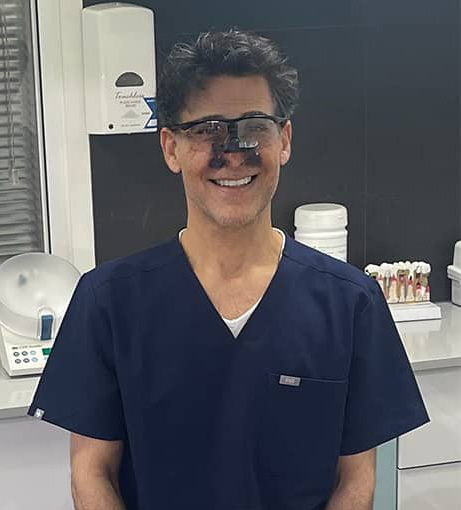
Dr. Nico Kamosi
Dr. Nico Kamosi
Specialist Periodontist, Implantologist, Prosthodontist, Holistic and Biological Dentist
TDL. DDS. (Swe.), MSc.Perio.(Eng.),
MClinDent.Perio.(Eng.), MSc.Imp.Dent.(Eng.),
Dip.Aesth.Med. (Eng.), MClinDent.Prosth.(Eng.),
Cert., Dip.DHSLM.(RCS.Eng.), Cert.Orth.(Eng.), Cert.Law (Eng.), AIAOMT
Accredited member of IAOMT, SMART Certified
Member of AACD, EFP, AAP, ESCI, IAOMT
