
Last Updated on July 29, 2026 by Dr. Nico Kamosi
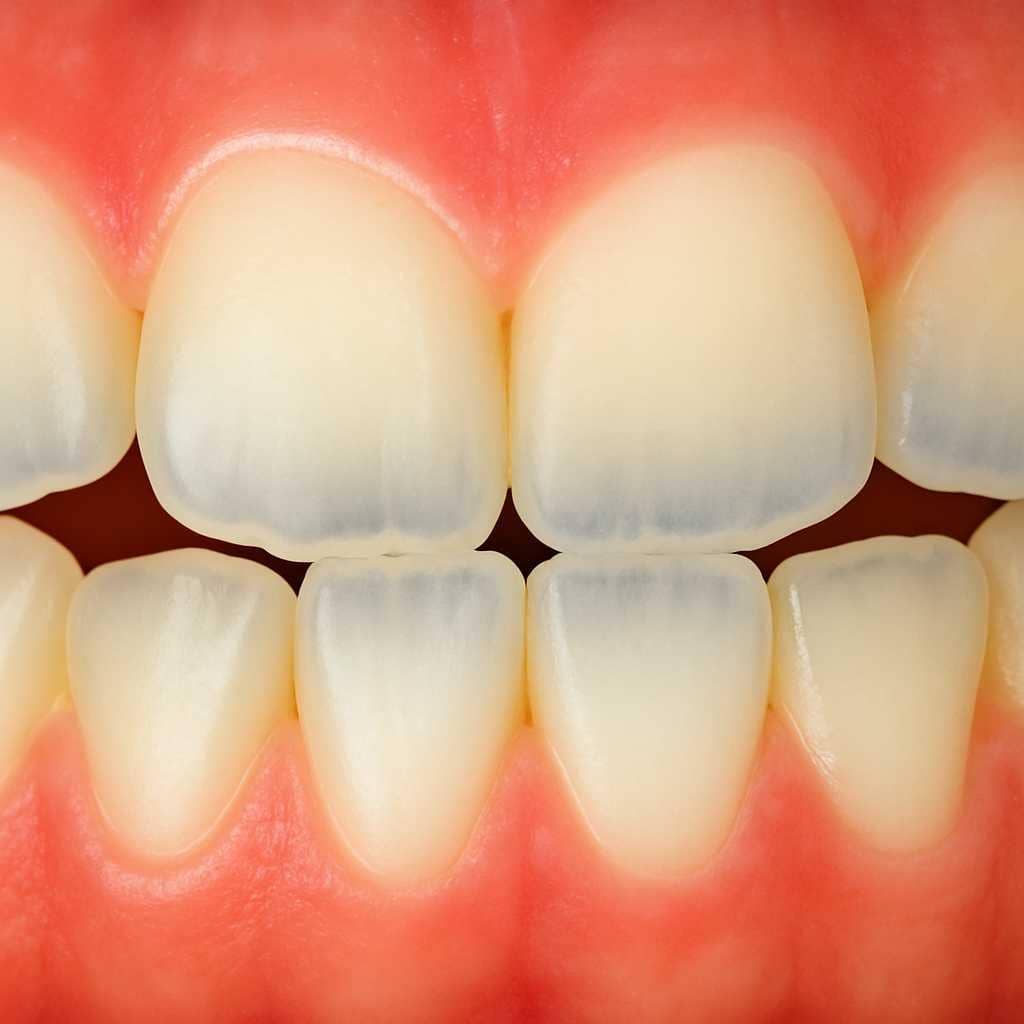
Have you ever noticed that the edges of your teeth appear glassy or translucent? That can be a worrying experience. This change in appearance is typically a sign that your tooth enamel has worn down or is thinner than it should be.
While “see-through teeth” may seem like a purely cosmetic concern at first, enamel loss can lead to sensitivity, decay and structural problems if left untreated.
This comprehensive guide explores the most common causes of see-through teeth, how to prevent them from worsening, and the dental treatments most effective in restoring their strength and natural appearance.
What Are See-Through Teeth?
The slight translucency of healthy enamel is balanced by the opacity of the underlying dentine, resulting in a tooth that appears solid and white.
As enamel thins — especially along the edges of the front teeth — the underlying structure may present with a see-through or frosted-glass appearance.
This is most noticeable where enamel is naturally thinnest, typically on the incisal edges of the front teeth.
What Causes Teeth to Look Transparent?
The translucent appearance of the enamel is caused by several factors that contribute to enamel loss or underdevelopment, including lifestyle habits, dietary factors, health conditions and genetic influences.
1. Acid Erosion
One of the most common culprits is acid erosion. This occurs when acidic substances gradually dissolve the enamel, causing it to thin over time. Contributing factors include:
- Frequent consumption of mineral-dissolving agents such as fizzy drinks, fruit juices, citrus fruits, or vinegar-based foods
- Exposure of the mouth to stomach acid reflux or gastro-oesophageal reflux disease (GORD)
- Excessive intake of wine or sports drinks, which are often highly acidic
Over time, these habits cause the enamel to demineralise, resulting in translucency and sensitivity.
2. Enamel Hypoplasia
Enamel hypoplasia is a condition in which the enamel does not form properly during a child’s development. It may appear as:
- Thin enamel
- Pits
- Grooves
- White spots on the teeth
Possible causes of hypoplasia include:
- Nutritional deficiencies during early childhood
- High fevers or illness during tooth development
- Exposure to certain antibiotics or environmental toxins
- Genetic conditions such as amelogenesis imperfecta
3. Coeliac Disease
Undiagnosed or unmanaged coeliac disease may lead to enamel defects as a systemic response to gluten intolerance. The triggered immune response may interfere with enamel formation, particularly in children. The result is often teeth with:
- An opaque or translucent appearance
- Pitting
- Discolouration
These changes are especially noticeable on the front teeth.
4. Teeth Grinding (Bruxism)
Consistent night-time grinding wears the enamel, particularly at the edges where the force is greatest. Bruxism is therefore an important factor when assessing see-through teeth. Acid erosion coupled with grinding can significantly exacerbate enamel damage, particularly when both conditions are present.
5. Excessive Tooth Brushing
Using a highly abrasive toothpaste, a hard-bristled brush, or brushing too aggressively can accelerate enamel wear. Combined with acid erosion, this mechanical damage may cause the teeth to appear thinner and more transparent.
This is particularly relevant for patients who brush immediately after eating or drinking acidic foods, when enamel is temporarily softened and more vulnerable.
6. Ageing
As we age, the cumulative effects of daily wear and exposure to acids can result in gradual enamel thinning. Even with good oral hygiene, some transparency may develop over time, especially in people with naturally thinner enamel.
Symptoms That Often Accompany Transparent Teeth
See-through teeth may initially appear as a visual concern, but they are often accompanied by other signs of enamel wear. These may include:
- Increased sensitivity to hot, cold, sweet or acidic foods
- Chalky or rough texture along the biting edges
- Yellowing of teeth as the underlying dentine becomes more visible
- Chipping, cracking, or worn edges
- A change in how the teeth feel when biting or speaking
If you are experiencing one or more of these symptoms alongside visible translucency, it is essential to consult a dentist. Early diagnosis allows the underlying cause to be identified and managed before further enamel loss occurs.
How Dentists Diagnose Enamel Loss
A dentist can usually diagnose the cause of translucent teeth through a combination of clinical examination and a patient’s medical history. The assessment may involve:
Visual Assessment
Dentists will look for signs of:
- Enamel erosion
- Tooth wear patterns
- Developmental enamel defects
- Cracks or fractures
- Changes in tooth structure
A detailed clinical examination helps determine whether transparency is caused by chemical erosion, mechanical wear, developmental abnormalities, or a combination of factors.
Enamel Thickness Testing
Special lighting, magnification and digital dental technology may be used to assess the amount of remaining enamel, especially at the biting edges of the front teeth.
Dietary and Medical History
To identify risk factors, it is essential to explore:
- Dietary habits
- Frequency of acidic food and drink consumption
- Oral hygiene routine
- Medical history
- Symptoms of acid reflux
- Tooth grinding or clenching habits
Understanding the cause is essential, because treating the appearance alone — without addressing the underlying problem — may result in continued enamel loss.
Dental X-Rays
While enamel does not show up clearly on conventional X-rays, radiographs can reveal:
- Underlying tooth structure
- Existing decay
- Previous restorations
- Bone levels
- Other dental conditions
This information helps support an accurate diagnosis and a comprehensive treatment plan.
Treatment Options for See-Through Teeth
Treatment depends on:
- The severity of enamel loss
- The underlying cause
- The amount of remaining tooth structure
- Whether there is functional damage or primarily an aesthetic concern
At London Specialist Dentists, treatment is planned with a minimally invasive, biologically conscious approach, focusing on preserving natural tooth structure wherever possible.
1. Remineralisation Therapy
For early enamel erosion, natural compounds such as Hydroxyapatite (HAp) and Casein Phosphopeptide-Amorphous Calcium Phosphate (CPP-ACP) can be used. CPP-ACP has demonstrated potential in:
- Strengthening tooth enamel
- Supporting natural remineralisation processes
- Helping prevent dental caries
- Reducing sensitivity associated with weakened enamel
These treatments help maintain optimal oral health by strengthening remaining enamel and supporting the natural mineral balance of the tooth surface. To aid rebuilding of weakened enamel, custom-made remineralisation trays may also be used in selected cases.
Important consideration: remineralisation therapies can strengthen and protect remaining enamel; however, they cannot recreate enamel thickness that has already been permanently lost.
2. Composite Bonding for See-Through Teeth
Composite bonding is a conservative treatment where tooth-coloured resin is applied directly to the affected areas. To cover and protect transparent, thin enamel while improving the appearance of the incisal edges, composite edge bonding is a quick, minimally invasive technique that can often be completed in a single visit.
Benefits include:
- Preservation of natural tooth structure
- Improvement of translucent edges
- Restoration of tooth shape and symmetry
- Reduction of visible enamel defects
- Natural aesthetic results
Composite bonding is particularly suitable for patients with mild to moderate enamel thinning.
3. Porcelain Veneers
For moderate to severe cases, especially where multiple front teeth are affected, porcelain veneers may be recommended. These thin ceramic shells cover the front surface of the teeth, masking transparency and reinforcing the tooth structure. Modern ceramic veneers are:
- Highly aesthetic
- Long-lasting
- Custom-designed
- Resistant to staining
- Designed to preserve as much natural tooth structure as possible
At London Specialist Dentists, minimally invasive ceramic approaches are preferred whenever clinically appropriate.
4. Emax Veneers for Thin and Translucent Teeth
Emax veneers are made from lithium disilicate ceramic, offering an excellent combination of:
- Strength
- Natural translucency
- Light reflection similar to natural enamel
- Long-term aesthetic stability
They are particularly beneficial when patients require:
- Greater coverage of translucent enamel
- Improved opacity
- Smile harmony
- Long-lasting cosmetic improvement
Emax veneers can effectively restore the appearance of teeth where enamel has become too thin to provide the desired aesthetic result.
5. Crowns
Crowns are generally considered only when the tooth structure is significantly weakened or when teeth are at risk of cracking. They may be required when:
- Large amounts of tooth structure have been lost
- Teeth have extensive cracks
- Previous restorations have failed
- Additional protection is required
Where possible, conservative treatments such as composite bonding or minimally invasive ceramic restorations are preferred to preserve natural tooth structure.
6. Night Guards
When bruxism contributes to enamel wear, a custom-fitted night guard can help protect teeth from further grinding damage. A night guard may help:
- Reduce excessive forces on teeth
- Protect enamel and restorations
- Reduce further tooth wear
- Support long-term dental stability
However, it is important that the underlying causes of grinding are also assessed, including bite function, stress factors and temporomandibular joint (TMJ) health.
Preventing Further Enamel Loss
Even if enamel erosion has already started, there are several steps you can take to slow or stop its progression.
Improve Your Diet
Limit acidic foods and drinks such as:
- Citrus fruits
- Soft drinks
- Sports drinks
- Vinegar-based foods
- Frequent acidic snacks
Helpful measures include:
- Drink water after acidic foods and beverages
- Avoid frequent sipping of acidic drinks throughout the day
- Use a straw when consuming acidic beverages to reduce contact with teeth
- Reduce unnecessary snacking to allow saliva enough time to neutralise acids
Saliva plays an important natural protective role by helping restore the oral environment after acid exposure.
Adjust Your Brushing Technique
To reduce mechanical enamel wear:
- Use a soft-bristled toothbrush
- Avoid brushing too aggressively
- Avoid highly abrasive toothpastes
- Do not brush immediately after acidic foods or drinks
Rinse your mouth with water after meals and wait at least 30 minutes after eating or drinking acidic foods and beverages before brushing.
Manage Medical Conditions
If you experience frequent acid reflux or other gastrointestinal issues, seek medical advice. Conditions that expose teeth to stomach acids may contribute to progressive enamel erosion.
If you suffer from an eating disorder, seeking professional support is important to protect both your general health and your teeth.
Protect Against Grinding
If bruxism is diagnosed:
- Wear a professionally fitted night guard if recommended
- Consider stress management techniques where grinding is stress-related
- Have your bite and jaw function assessed
At London Specialist Dentists, we consider tooth wear as part of the wider relationship between teeth, muscles, bite and temporomandibular joint function.
Schedule Regular Dental Visits
During routine dental examinations, enamel loss can be identified at an early stage, allowing appropriate and timely interventions before further irreversible damage occurs. Regular monitoring allows your dentist to assess:
- Changes in enamel thickness
- Tooth wear progression
- Sensitivity
- Functional problems
- The effectiveness of preventive measures
How London Specialist Dentists Can Help With See-Through Teeth
If your teeth are beginning to look see-through, transparent, or thinner than before, you are not alone. Whether caused by:
- Acid erosion
- Developmental enamel problems
- Tooth grinding
- Brushing habits
- Age-related enamel changes
this condition can often be managed with the right diagnosis and treatment approach.
At London Specialist Dentists, we combine advanced cosmetic dentistry with a biological and functional approach to understand why enamel loss has occurred. Our assessment considers:
- Tooth structure
- Enamel preservation
- Bite function
- TMJ health
- Oral habits
- Material compatibility
- Long-term dental stability
Our aim is not only to improve the appearance of your smile, but also to protect the health and strength of your natural teeth.
Restore the Strength and Appearance of Your Teeth
If you are concerned about thin enamel or translucent tooth edges, our specialist team can assess the cause and recommend the most appropriate treatment. Depending on your individual needs, options may include:
✓ Enamel strengthening and remineralisation support
✓ Composite bonding for conservative aesthetic improvement
✓ Emax ceramic veneers for advanced enamel restoration
✓ Functional assessment and protection for tooth grinding
Frequently Asked Questions About See-Through Teeth
Can see-through teeth from thin enamel be fixed?
Yes. While enamel cannot naturally grow back once it has been permanently lost, the appearance and protection of thin enamel can be improved. Treatment depends on the severity of enamel loss and may include remineralisation support, composite bonding, or ceramic veneers such as Emax veneers.
Can toothpaste repair see-through teeth?
Remineralising toothpaste containing ingredients such as hydroxyapatite or fluoride may help strengthen remaining enamel and reduce sensitivity. However, toothpaste cannot restore enamel thickness that has already been lost or completely remove visible translucency.
Is composite bonding suitable for transparent teeth?
Composite bonding is often an excellent minimally invasive treatment for mild to moderate cases. It can cover translucent enamel edges, restore tooth shape, improve aesthetics and preserve natural tooth structure. A consultation is required to determine suitability.
Are veneers necessary for see-through teeth?
Not always. Some patients may benefit from preventive approaches and enamel strengthening, while others with more significant enamel loss may require ceramic veneers to restore opacity, strength and aesthetics.
Why are the edges of my front teeth transparent?
The edges of front teeth naturally contain thinner enamel. When enamel becomes worn due to erosion, abrasion or grinding, the underlying dentine becomes more visible, creating a transparent appearance.
Can acid erosion cause see-through teeth?
Yes. Frequent exposure to acids from foods, drinks or stomach reflux can gradually dissolve enamel minerals, causing thinning, sensitivity and increased translucency.
Dr. Nico Kamosi

Dr. Nico Kamosi
Specialist Periodontist, Implantologist, Prosthodontist, Holistic and Biological Dentist
TDL. DDS. (Swe.), MSc.Perio.(Eng.),
MClinDent.Perio.(Eng.), MSc.Imp.Dent.(Eng.),
Dip.Aesth.Med. (Eng.), MClinDent.Prosth.(Eng.),
Cert., Dip.DHSLM.(RCS.Eng.), Cert.Orth.(Eng.), Cert.Law (Eng.), AIAOMT
Accredited member of IAOMT, SMART Certified
Member of AACD, EFP, AAP, ESCI, IAOMT
