

Last Updated on June 2, 2026 by Dr. Nico Kamosi
If you’ve been told you have oral candidiasis – or you suspect you might have it – I know exactly how uncomfortable and worrying this can feel. It is hard enough managing a long-term condition like ulcerative colitis, and dealing with an extra issue in your mouth just adds another layer of stress and discomfort. But please know this: you are not alone in this, and there are clear, gentle and effective ways to treat it.
This guide brings together everything we have discussed, written simply and clearly, just like I would explain it to you in person. It tells you exactly what is happening, why it happens especially when you have gut health issues, and precisely how to use every treatment option to help you feel better again.
What Is oral candidiasis exactly?
You may also hear it called “oral thrush”. It is an infection caused by a type of yeast or fungus called Candida albicans. Here is the most important thing to know: this yeast lives naturally inside all of us. It lives in our mouths, our digestive system and even on our skin. Usually, it lives there quietly and harmlessly, kept under control by the “good” bacteria that live in our bodies and by our immune system.
Problems only start when something changes that natural balance. If the good bacteria become weaker, or your body’s defence system is busy fighting other things, this yeast starts to grow out of control. That is when you start to feel the symptoms.
You might notice creamy white or slightly yellow patches on your tongue, inside your cheeks, on the roof of your mouth or right at the back of your throat. These patches often feel sore, they can burn when you eat or drink, and if you try to wipe them away or brush them, they might bleed a little. A lot of people tell me they feel like they have got cotton wool in their mouth, or that food tastes strange or bland. It can even make you feel quite dry and uncomfortable all the time.
Why does this happen? and why me?
Understanding exactly what causes it is the best way to treat it properly and stop it coming back. There are several reasons why this happens, and for you, living with ulcerative colitis plays a huge part.
The Strong Link Between Ulcerative Colitis And Oral Thrush
This is the most important part for you to understand. Because you live with ulcerative colitis, your body is already working incredibly hard. Your immune system is naturally very active because it is constantly trying to calm the inflammation in your gut and keep you well. On top of that, you almost certainly take medication – things like steroids or medicines that calm your immune system down – to help control your symptoms. These medicines are absolutely vital for your gut health, but they do have a side effect: they lower your body’s ability to keep this yeast under control.
Also, think about it: your mouth and your gut are connected, they are basically one long tube. When the healthy balance of good and bad bacteria changes inside your stomach and intestines because of your condition, that balance changes inside your mouth too. It is like a chain reaction. This is exactly why people living with inflammatory bowel conditions get oral thrush much more easily than others.
Other Common Things That Trigger It
- Antibiotics: These are brilliant at killing bad bacteria when you have an infection, but sadly, they also wipe out the good bacteria that usually keep yeast in check.
- Dry mouth: Your saliva is your mouth’s natural cleaner and protector. If you have dry mouth from medication, from being dehydrated, or just because you feel unwell, you lose that natural protection and yeast loves dry places.
- Feeling run down or stressed: When you are tired, worried or unwell, your immune system cannot work as hard as usual, and it is much easier for infections to take hold.
- Dentures or mouth guards: Yeast loves to live in warm, damp, dark places. If you wear dentures or any appliances in your mouth and they do not fit perfectly, or you do not clean them thoroughly, yeast builds up there very quickly.

Your treatment plan: Step-by-step to healing
The best news I can give you is that oral candidiasis is very treatable. You do not have to put up with it. You can use medical treatments, natural supportive therapies and simple lifestyle changes all together to clear it up quickly and gently. Here is exactly how to use each one properly.
1. Standard medical treatment: Nystatin
This is one of the oldest, safest and most trusted treatments we have. It is an antifungal medicine that works gently to stop the yeast growing and kills the overgrowth. It is perfectly safe to use alongside almost all medicines taken for ulcerative colitis, but do just mention it to your doctor or nurse so they have it noted on your records.
How to use it, step-by-step:
-
-
- 1. If you have the liquid form: Shake the bottle really well every single time before you use it. Measure out exactly the amount your doctor told you to take – usually between 1ml and 5ml.
-
- 2. Pour it into your mouth and swish it around slowly and carefully. Make sure it washes over every part: your tongue, your gums, the insides of your cheeks, the roof of your mouth and right to the back of your throat. Do this for at least 1 to 2 minutes. Really try to keep the liquid touching those white patches the whole time.
-
- 3. You can swallow it or spit it out – just follow exactly what your doctor told you to do.
-
- 4.
-
This is very important:
-
-
- Do not eat, drink or smoke anything for 30 minutes after you use it. This gives the medicine enough time to soak in and do its job properly. If you drink straight away, you wash it all off and it won’t work.
-
- 5.
-
Finish the whole course:
-
- You might see those white patches disappear in just 2 or 3 days, which feels amazing. But please – keep using the medicine for the full time prescribed, usually 7 to 14 days. If you stop too early, even though it looks better, a tiny bit of yeast is left behind and it will grow back very quickly.
If you have been given lozenges instead: Pop one in your mouth and let it dissolve slowly all by itself. Do not chew it or swallow it whole. It takes about 15 to 30 minutes to dissolve, and that long time means the medicine covers every single surface inside your mouth perfectly.
2. Ozone Therapy: Gentle, natural & powerful
Ozone is simply a special form of oxygen. It is incredible because it naturally kills fungus, bacteria and viruses, but it never hurts or damages your healthy cells. It is brilliant if you prefer natural treatments, or you want something extra to use alongside your medicine to help you heal faster and stop it coming back. It feels fresh and soothing, and it is completely safe.
Ozone Mouthwash
How to use it, step-by-step:
-
- 1. Use this twice a day – best times are first thing in the morning and last thing at night, or straight after you eat a meal.
-
- 2. Pour a small amount into a cup, take a mouthful and rinse it around thoroughly for about 60 seconds. Really push the liquid over your tongue, under your tongue, between your teeth and all along your gums.
-
- 3. Spit it out – do not swallow it.
-
- 4. You can use this while you are taking your medication, or you can use it every day after you finish your treatment to keep your mouth healthy and fresh. It really helps calm down that burning or stinging feeling too.
Ozone Toothpaste
How to use it, step-by-step:
-
- 1. Swap your normal toothpaste for this one while you are healing, and keep using it afterwards too. It is brilliant for prevention.
-
- 2. Brush very gently in small circles for a full 2 minutes. Do not scrub hard because your mouth is sore. Pay special attention to your tongue – gently brush the whole surface of your tongue every time you brush. Yeast loves to hide and grow on the tongue.
-
- 3. Spit it out and give your mouth a light rinse.
-
- 4. This is safe and gentle enough to use every single day. It keeps the oxygen levels high in your mouth, and yeast absolutely cannot grow in an oxygen-rich environment.
Professional Ozone treatment
Sometimes, your dentist or doctor might use a special machine to blow medical-grade ozone gas straight onto the white patches inside your mouth.
What happens: Ozone therapy incredibly simple, totally painless and takes barely a minute. They hold a small tip against the affected area for just 30 to 60 seconds. You just feel a gentle fresh sensation. It works amazingly fast to reduce the amount of yeast and calm the soreness. This is usually done once or twice, and works perfectly alongside your treatments at home.
3. Simple daily changes that make a big difference
Medicine works best when you help your body to help itself. These small things are especially important for you because of your ulcerative colitis.
Heal your gut, heal your mouth
Remember how closely connected they are? If you fix the balance in your gut, you fix the balance in your mouth too.
- Try to eat foods rich in natural probiotics – things like plain natural yoghurt or gentle fermented foods. These are packed full of the “good bacteria” that fight off yeast.
- If you find these foods hard to eat or they upset your stomach because of your colitis, please ask your doctor or dietitian. They can suggest a gentle, high-quality probiotic supplement that is made specially for people with sensitive digestion or gut conditions.
Keep your mouth clean the right way
- Brush your teeth twice a day, but be incredibly gentle. Do not scrub hard – remember the skin is sore and fragile.
- Clean your tongue every single time you brush. That white coating is full of yeast, so gently brushing it away every day makes a huge difference.
- If you wear dentures: Clean them perfectly every single day with warm water and soap or special denture cleaner. Give them a really good scrub. Soak them overnight in a cleaning solution. And most importantly – take them out while you sleep. Yeast grows like crazy in warm, closed, dark places, so give your mouth a break every night.
Keep your mouth moist
Saliva is your best natural defence.
- Sip water slowly and often all day long – do not wait until you feel thirsty.
- Chew sugar-free gum or suck sugar-free sweets – this makes your body produce more saliva naturally.
- Try to avoid things that dry you out: very salty or sugary foods, alcohol, and smoking.
Talk to your medical team
You have a team of people looking after you – your gastroenterologist for your gut, your doctor and your dentist. Please tell them everything. Tell your gut doctor you have oral thrush, and tell your dentist exactly what medicines you take for your colitis. When they talk to each other, they make sure everything you take is safe, balanced and working together to help you get better all over.
A few kind words for you
Dealing with oral candidiasis on top of managing ulcerative colitis is honestly really tough. It can feel frustrating, annoying and sometimes even a bit embarrassing. But please remember – this infection is temporary. It is not serious, it is very treatable, and having it does not mean you have done anything wrong. It is just one of those things that happens because of how your body works and the conditions you live with.
Every single step you take – whether it is using your medicine exactly right, using the ozone products, or just drinking more water and eating a little better – is helping your body to heal. You are taking control, and you will feel comfortable and yourself again very soon.
You deserve to feel healthy, comfortable and confident. You really will get through this.
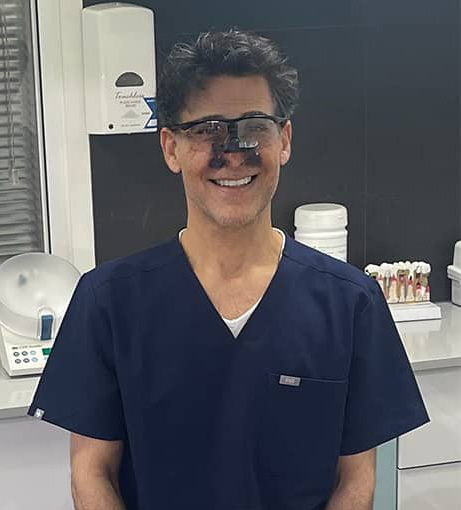
Dr. Nico Kamosi

Dr. Nico Kamosi
Specialist Periodontist, Implantologist, Prosthodontist, Holistic and Biological Dentist
TDL. DDS. (Swe.), MSc.Perio.(Eng.),
MClinDent.Perio.(Eng.), MSc.Imp.Dent.(Eng.),
Dip.Aesth.Med. (Eng.), MClinDent.Prosth.(Eng.),
Cert., Dip.DHSLM.(RCS.Eng.), Cert.Orth.(Eng.), Cert.Law (Eng.), AIAOMT
Accredited member of IAOMT, SMART Certified
Member of AACD, EFP, AAP, ESCI, IAOMT
